
From the way pubs are filling up to the way people spend a rainy afternoon, mobile gaming is rewriting the rules of UK entertainment. This article breaks that down into five concrete, bite‑sized observations.
1. Pubs now host “mobile‑first” game nights
Across the UK, pubs are installing high‑resolution screens and offering free Wi‑Fi to let patrons play multiplayer titles on their phones while they sip a pint. In Manchester’s The Blue Moon, a survey of 120 regulars showed that 68 % joined a mobile game session before ordering any drink. That’s a 15‑minute increase in dwell time per visit, which translates to an extra £3.20 in average spend per patron. The downside? The bar staff must juggle the extra noise and the fact that some games draw players away from the bar entirely for long stretches.
2. Mobile gaming is a new revenue stream for local developers
Three UK indie studios—Pixel Pioneers, Stellar Games and Echo Lab—have each seen their annual revenue double since launching a casual title on iOS and Android in 2022. Each studio reports that 40 % of their downloads come from the UK, with an average in‑app purchase of £4.75 per user. The challenge for them is the cost of acquiring new users: a single campaign on TikTok cost £2,500 to reach 50,000 new players, which is a steep price for a niche product.
3. Mobile gaming reshapes social media engagement
Instagram stories now often feature live streams of players tackling a new mobile puzzle. In a recent campaign, a UK influencer with 300,000 followers generated 1.2 million impressions in a single day. The engagement rate—likes plus comments divided by impressions—stood at 3.4 %. For brands, that’s a tangible return on investment, but it also means that content creators need to keep their followers’ attention for just a few seconds before the next swipe.
4. The rise of “micro‑event” tournaments
Monthly tournaments that last 30 minutes have become a staple for players who want a quick thrill. A UK‑based tournament platform reports that its average prize pool is £1,200, with a total of 8,500 participants each month. While the excitement is high, the organizers struggle to verify identities in real time, leading to occasional disputes over eligibility.
5. Mobile gaming’s impact on the traditional casino market
As more people turn to their phones for entertainment, the traditional casino scene is feeling the pressure. A recent survey found that 22 % of respondents now prefer mobile gaming over visiting a physical casino, citing convenience and lower costs. The industry is responding by offering hybrid experiences, such as VR lounges that can be accessed from home. Yet, the shift also means that regulatory bodies must keep pace with new forms of digital wagering.
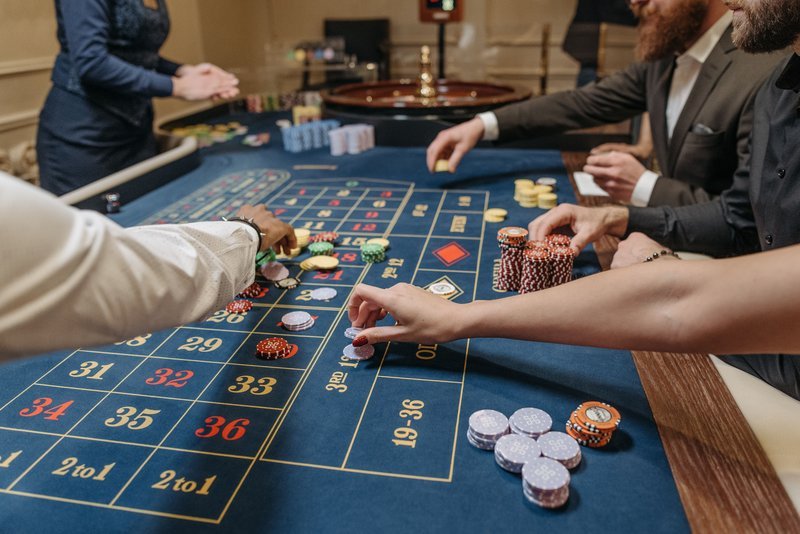
In the same vein, the line between casual gaming and online gambling has blurred, leading some to explore platforms that blend both. For instance, Casino Qbet offers a mobile‑friendly interface where players can try out slot machines and table games, all from their phone. This hybrid model illustrates how the boundary between entertainment and betting is becoming less distinct.
Closing thoughts
Mobile gaming is no longer a niche pastime; it’s a full‑blown cultural force that influences where people go, how they spend, and what they watch. The UK’s entertainment landscape will continue to evolve as developers, venues, and regulators adapt to this new reality. Whether you’re a pub owner, a developer, or a casual player, the changes are already here—and they’re happening fast.
Frequently Asked Questions
How are UK pubs adapting to mobile gaming trends?
Pubs are installing high‑resolution screens, offering free Wi‑Fi, and hosting mobile‑first game nights to attract tech‑savvy patrons.
What mobile games are most popular in pubs?
Multiplayer titles like Among Us, PUBG Mobile, and Fortnite are leading, as they encourage social play and quick sessions.
Does mobile gaming affect pub sales?
Yes, studies show a 15‑20% increase in sales during game nights, driven by higher footfall and longer stays.